Every review starts with a free consultation, including a free valuation of your potential additional total-loss recovery or diminished-value claim based on the records available. Any separate paid report, formal appraisal, attorney's fee, or case expense will be explained before you agree to it.
A totaled vehicle dispute concerns the vehicle's pre-crash value; diminished value concerns a repaired vehicle's remaining loss in market value. These are different valuation paths, and the same loss cannot be recovered twice.
Challenging a Totaled Vehicle Offer
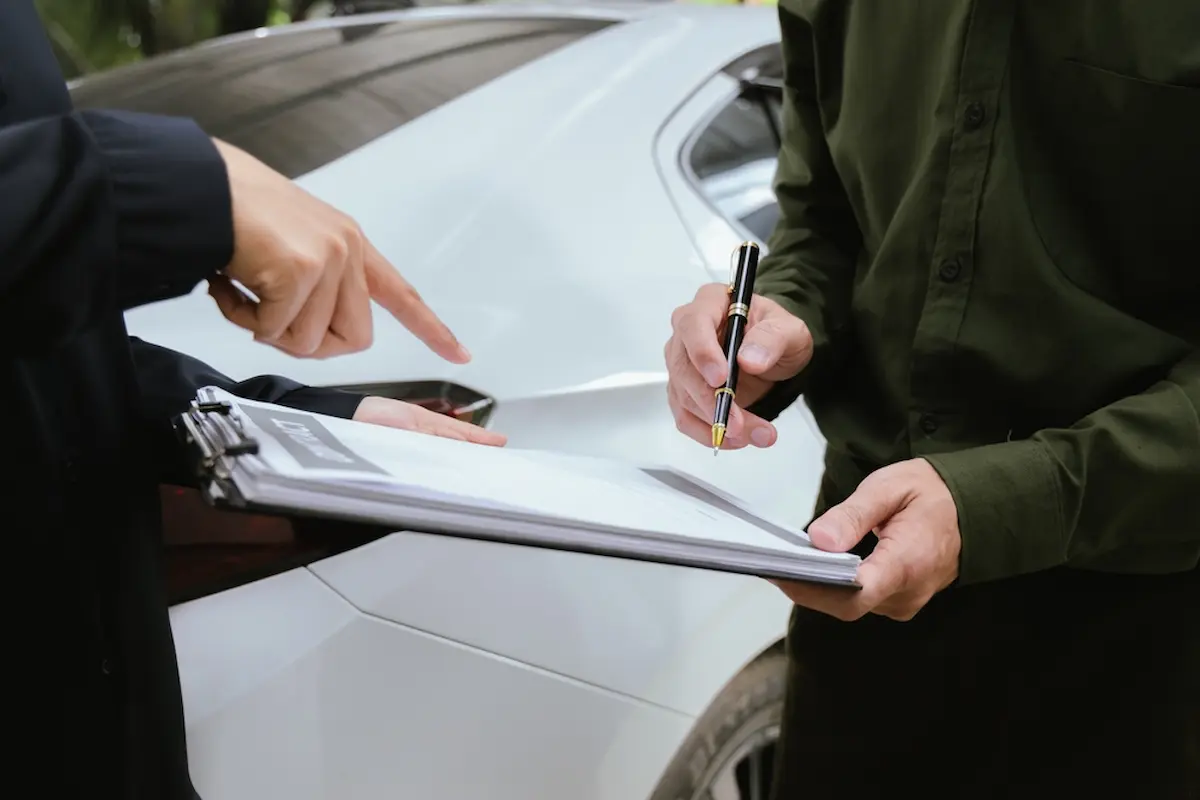
Start with the insurer's valuation report. Check the vehicle identification, trim, options, mileage, condition, comparable vehicles, and adjustments. Supply records and comparable market evidence that support a higher pre-loss value, and request a written explanation of disputed deductions.
GoRo Law leverages independent valuation resources to evaluate the offer and support a demand. A report is evidence, not a guarantee of additional payment.
Our free initial valuation helps identify potential additional recovery. Before retaining us or authorizing a paid report or appraisal, you will receive the proposed fees and cost responsibilities in writing.
Can You File a Diminished Value Claim in Texas?
American Manufacturers Mutual Insurance Co. v. Schaefer, 124 S.W.3d 154 (Tex. 2003), held that the policy's repair-or-replace provision did not require payment for diminished market value after adequate repairs. The holding does not eliminate claims against an at-fault driver or under applicable UM/UIM property-damage coverage. Policy language, liability, and proof of loss matter.
TDI's Commissioner’s Bulletin B-0027-00 also explains: your own uninsured/underinsured motorist (UM/UIM) coverage may also pay for lost market value, and TDI's current guidance on uninsured motorist coverage lists diminished property value among the losses it covers. Here is where a claim can usually be made after a full repair:
| Who you claim against | Coverage involved | Diminished value after full repair? |
|---|
| The at-fault driver's insurer | Liability (property damage) | May be owed |
| Your own insurer, when the other driver was uninsured or underinsured | UM/UIM | May be owed |
| Your own insurer, in other situations | Collision or comprehensive | Generally not owed under a standard policy |
Most diminished value claims therefore go to someone else's insurer, and that adjuster has no contract with you. The claim rests on your evidence.
How to File a Diminished Value Claim in Texas, Step by Step
Each step is easier while repair records and photos are fresh.
- Confirm the other driver was at fault. Collect the crash report, that driver's insurer and policy number, and witness contacts. An investigating officer must file a written crash report when a crash causes injury, death, or apparent property damage of $1,000 or more, and you can order a copy through TxDOT’s crash report records system.
- Open a property damage claim with that insurer. Get a claim number and state in writing that you will seek diminished value in addition to repairs and a rental car.
- Complete quality repairs and keep every record. Save the estimate, final invoice, supplements, parts list, and photos. Frame damage, airbag deployment, and structural repairs usually carry the most weight.
- Get an independent appraisal. A qualified appraiser estimates the car’s pre-crash value and its market value after repairs, accounting for its accident history.
- Send a written demand. Include the appraisal, repair documents, vehicle history report, and the amount claimed, and ask for a written explanation of any lower offer.
- Negotiate and document every call. Note the date, the adjuster's name, and what was said, and answer low offers with listings for comparable vehicles with and without accident histories.
- Protect the deadline. If the insurer will not pay fairly, a lawsuit against the at-fault driver generally must be filed within two years of the crash.
Before signing any property damage release, read it closely, because some releases settle every property claim from the crash, diminished value included.
If your demand has already been rejected or ignored, GoRo Law can review the paperwork with you in a free consultation. Call (346) 483-2688 or start online intake or book a consult online.
How Insurers Value, and Undervalue, Diminished Value
Texas does not prescribe one universal diminished-value formula. A claim for residual loss after repairs requires reliable evidence comparing the vehicle's pre-crash market value with its value after proper repairs. Repair costs and remaining loss in value must be evaluated together to avoid duplicate compensation. An accident history alone does not prove a particular dollar loss.
The facts that usually move the number are:
- The vehicle's pre-crash value, age, and mileage
- Structural versus cosmetic damage
- Airbag deployment or frame straightening
- Repair quality and the parts used
- How the crash appears on vehicle history reports
Some insurers start from an internal formula that caps the loss at a percentage of the car's value, then subtracts for damage severity and mileage. That is a company method, not Texas law. A late-model truck or SUV that commutes on the Katy Freeway can lose real resale value after a flawless repair, and an appraisal built on actual market data is often the most effective answer to a formula-based offer.
Repairs, Rental Cars, and Total Loss Disputes
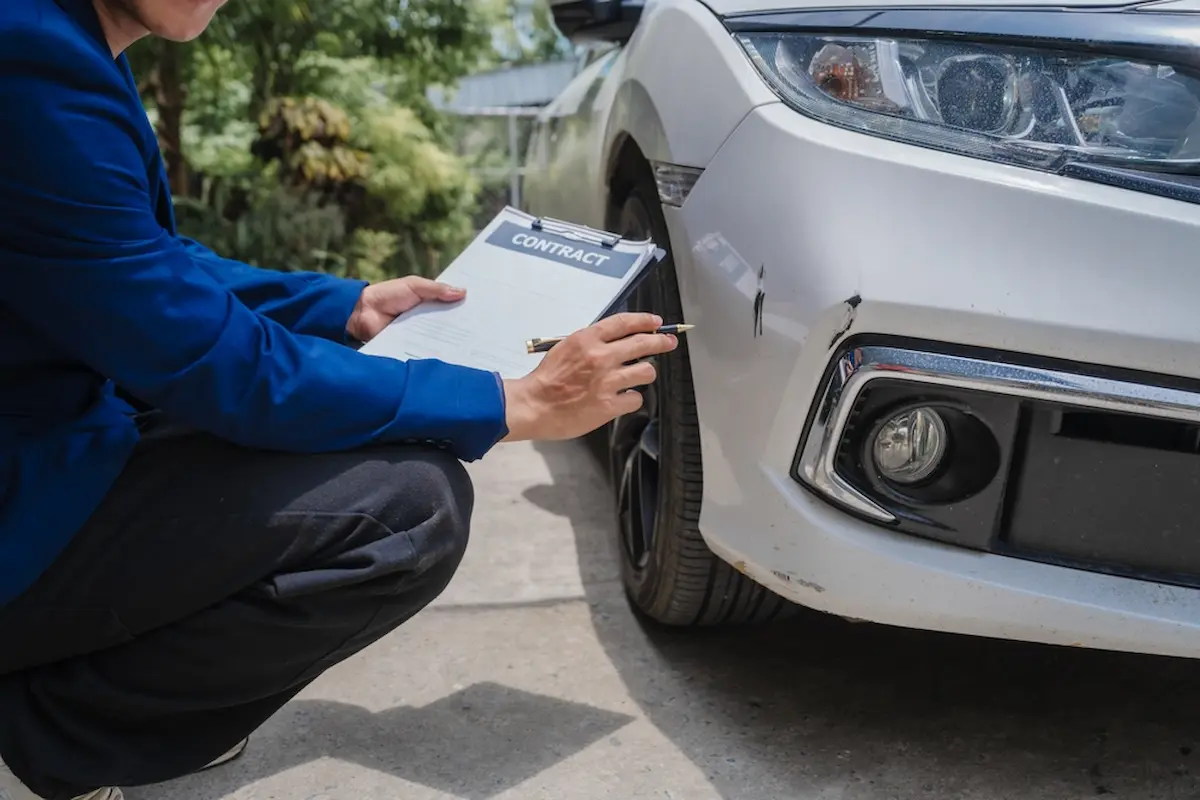
The Texas Department of Insurance auto insurance guide explains that when another driver caused the crash, that driver's insurer will pay for a rental car, though only for the time the company believes is reasonable to repair or replace your vehicle. TDI also states that an insurer may offer a list of preferred repair shops but cannot require you to use one.
For a total loss, evaluate the vehicle's actual cash value immediately before the crash; depreciation should not be deducted twice. Policy terms, a deductible, and retained salvage can affect the payment. J&D Towing, LLC v. American Alternative Insurance Corp., 478 S.W.3d 649 (Tex. 2016), also permits proven loss-of-use damages for the reasonable replacement period in a total-destruction claim. We review the valuation, comparable vehicles, and all deductions.
When Your Own Insurance Company Delays or Underpays
Some disputes are with your own insurer, such as a collision claim, a UM/UIM claim after a hit-and-run, or a total loss payout. For these first-party claims, Chapter 542 of the Texas Insurance Code sets deadlines:
An insurer liable for a covered claim that violates the applicable prompt-payment requirements may owe statutory interest and reasonable attorney's fees. The general rate is 18 percent annually; exceptions and different rules can apply. Surplus lines insurers, suspected arson claims, and certain catastrophes have different or extended deadlines.
These protections belong to policyholders. Chapter 542 defines a claim as a first-party claim, TDI's auto guide says the prompt payment law does not apply when another driver's insurer is paying, and the unfair claim settlement statute gives no cause of action to a third party claiming against someone else's liability policy. When the other driver's insurer stalls, leverage comes from strong evidence and, if needed, a lawsuit against the at-fault driver.
Your own policy may provide appraisal for a dispute over the amount of loss. Typically, each side selects an appraiser, the appraisers select an umpire, and agreement by any two determines the amount under the policy. Appraisal does not necessarily resolve coverage or liability. Costs and procedures depend on the policy, and this process generally cannot be invoked against another driver's insurer. You can also complain to TDI, although TDI does not decide fault or set damages.
A Vehicle Dispute Is Often the First Sign of an Injury Claim
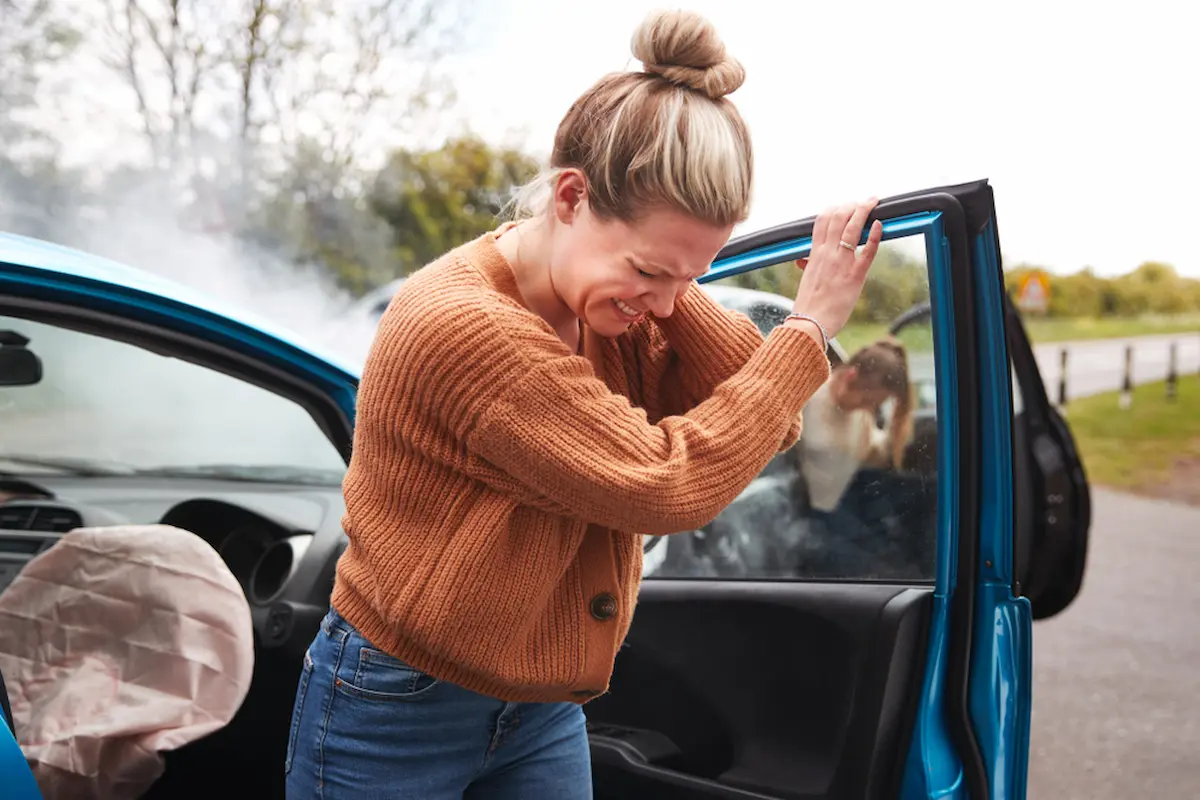
Most people call about the car first; the neck pain that started two days later comes up later in the conversation. The same 2025 data recorded more than 30,000 Harris County crashes with a fatal, serious, minor, or possible injury, and many of those drivers were also negotiating a repair bill.
That order carries risk. A quick property damage settlement may include release language that reaches other claims, and comments to an adjuster about the car can later be used to argue that you were not hurt. If you were injured, your personal injury protection coverage, which Texas insurers must include in auto policies unless you rejected it in writing, can help with medical bills and lost wages regardless of fault. GoRo Law handles the vehicle claim and the injury claim together, so resolving one does not undercut the other.
How Long Do You Have to Pursue a Vehicle Damage Claim?
A lawsuit against an at-fault driver for vehicle damage generally must be filed within two years of the crash. Negotiations do not pause that deadline. Claims against your own insurer can involve different contractual, statutory, and notice deadlines. Government claims require prompt review; Houston's published procedure calls for verified notice within 90 days, subject to applicable law and exceptions.
Why West Houston Drivers Work With GoRo Law
GoRo Law is a Veteran-Owned Small Business (VOSB) founded by two military veterans who later held senior in-house legal leadership roles, where claims are evaluated from the organization's side of the table. That experience shapes how we anticipate an insurer's valuation and build the evidence that answers it.
- Edgar Gonzalez, Partner, grew up in Alief. He is a veteran U.S. Coast Guard Judge Advocate and trial attorney and currently serves as General Counsel & Chief Compliance Officer.
- Ben Rothchild, Partner, grew up in Katy. He is a veteran U.S. Marine Corps Judge Advocate and trial attorney who served 8 years on active duty, attained the rank of Major, and served as a prosecutor and U.S. Naval Academy professor.
- Nadia Sadeghian Gonzalez, Of Counsel, is licensed in Texas and the District of Columbia and works on injury and accident cases.
Our office at 14800 Westheimer Road, in the 77082 ZIP code, serves drivers across Houston, Alief, Katy, and the Energy Corridor.
We start with a free consultation and valuation of potential additional total-loss recovery or diminished value based on available records. We review the insurer's valuation, repair records, correspondence, and policy, then discuss whether a paid report, appraisal, demand, or lawsuit is warranted. We explain proposed fees and expenses before you commit. No valuation or report guarantees a particular result.