Pedestrian Crashes in Texas Are Rarely Minor
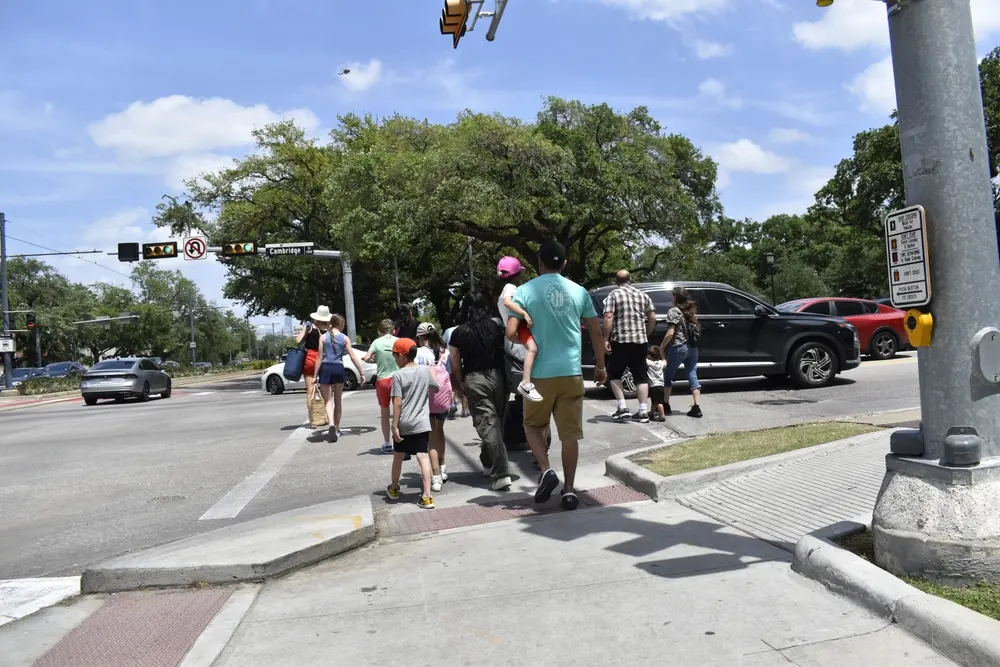
A pedestrian has no frame, airbag, or seat belt between their body and a moving vehicle, so these crashes cause some of the most serious injuries in any type of traffic collision. The Texas Department of Transportation (TxDOT) recorded 5,965 pedestrian crashes statewide in 2025. Those crashes killed 695 people on foot and left 1,387 more with suspected serious injuries.
Injuries on that scale bring months of treatment, lost work, and bills that can outpace the at-fault driver's insurance. As with any Texas personal injury claim, a lawyer's first job is to find every source of payment and protect the claim while you or your loved one gets medical care.
Why Pedestrian Injury Claims Are Harder Than They Look
Many people assume a driver who hits someone on foot will automatically be held responsible. In practice, the driver's insurer often starts building a case against the pedestrian within days. Common arguments include claims that the injured person:
- Crossed outside a crosswalk or against the signal
- Wore dark clothing or walked in a poorly lit area at night
- Stepped into traffic too suddenly for the driver to stop
- Was looking at a phone or wearing headphones
- Was riding a scooter where scooters aren't allowed
Each of these arguments aims to shift a percentage of fault onto the pedestrian, and in Texas that percentage reduces the recovery. Someone found more than 50% responsible can recover nothing from the driver. Without a lawyer, many injured pedestrians don't learn about these arguments until a low offer arrives, after key evidence has already disappeared.
How We Answer Blame-Shifting
We answer these arguments with proof rather than opinion. That means scene measurements, lighting conditions at the time of the crash, the driver's speed and line of sight, and video from nearby businesses or buses. When the evidence shows a driver who was distracted, speeding, or turning without looking, the insurer's version of events tends to lose its footing.
Where Pedestrians Get Hurt in West Houston
West Houston was built around wide, high-speed arterial roads, and people on foot share them every day. Westheimer Road, Bellaire Boulevard through Alief, and the Highway 6 corridor carry heavy traffic past apartment complexes, shopping centers, and METRO bus stops, often with long gaps between signalized crossings.
The Local Risks We Look For
The City of Houston's Vision Zero program, which set a goal of ending traffic deaths and serious injuries by 2030, reported that pedestrians accounted for 36% of the city's traffic deaths in 2022. In our corner of the region, the risk points tend to include:
- Bus stops where riders cross multi-lane roads to reach the other side
- Frontage roads along the Katy Freeway (I-10), where drivers exit at highway speed
- Busy shopping center lots in Katy and along Westheimer
- School zones and neighborhood crossings in Alief and Katy
Knowing these places matters when we reconstruct a crash. A driver exiting a frontage road, for example, may be watching for merging traffic rather than for a person in the crosswalk.
Common Pedestrian Crash Scenarios and Who May Be Responsible
Pedestrian crashes happen in more ways than a single car in a crosswalk, and each scenario points to different responsible parties and evidence. Here is how several common situations tend to differ:
| How the crash happened | Who may be responsible | What the claim often depends on |
|---|
| Driver turning through a crosswalk | The turning driver and, if working, the driver's employer | Signal timing, the driver's line of sight, and intersection video |
| Vehicle backing up in a parking lot | The driver, and sometimes the property owner if lot design or lighting played a role | Store cameras and the layout of the lot |
| Delivery or commercial vehicle | The driver and the company that employs or contracts with the driver | The company's insurance policy and the driver's route data |
| Rideshare pickup or drop-off | The rideshare driver, with coverage that depends on app status | Trip records and the driver's app status at the time |
| Hit-and-run | An unidentified driver, with possible coverage through your own policy | A prompt police report and any video of the vehicle |
Each row calls for a different investigation. We identify the scenario early so evidence requests go to the right companies before footage is erased or records are lost.
When an Electric Scooter Ride Ends in Injury
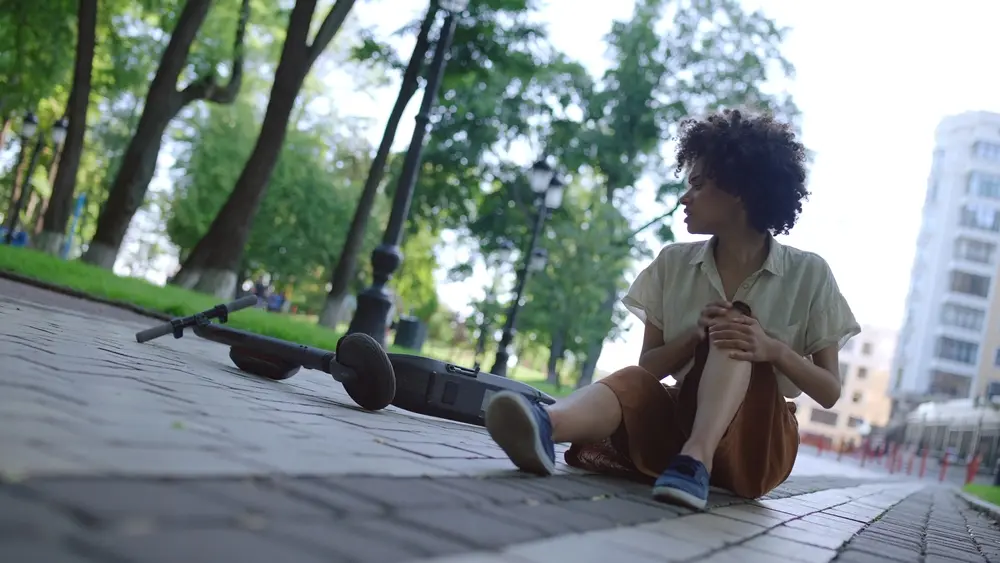
Electric scooters put riders in a gray area between pedestrians and vehicles, and insurers use that uncertainty to dispute claims. Whether you were riding a rental scooter downtown or your own scooter near home, a Houston scooter accident lawyer can sort out which rules applied and who should pay for your injuries.
The Rules Insurers Will Point To
Texas law allows a motor-assisted scooter on a sidewalk, a bike path, or a street with a posted speed limit of 35 miles per hour or less, while letting cities restrict scooters in certain areas. Houston also enforces a citywide curfew that bars riding e-scooters and similar devices from 8 p.m. to 4 a.m., with exceptions for riders traveling directly to work or school and for emergencies. An insurer may argue that a rider broke one of these rules, but a rule violation doesn't automatically excuse a driver who wasn't paying attention.
Claims Beyond the Driver
Scooter cases sometimes involve more than one responsible party. A rental company's terms of service, a defective brake or battery, or a broken sidewalk can all play a role. We review the rental agreement, preserve the scooter itself, and look for every party whose conduct contributed to the crash.
How Does a Lawyer Prove a Driver Was at Fault?
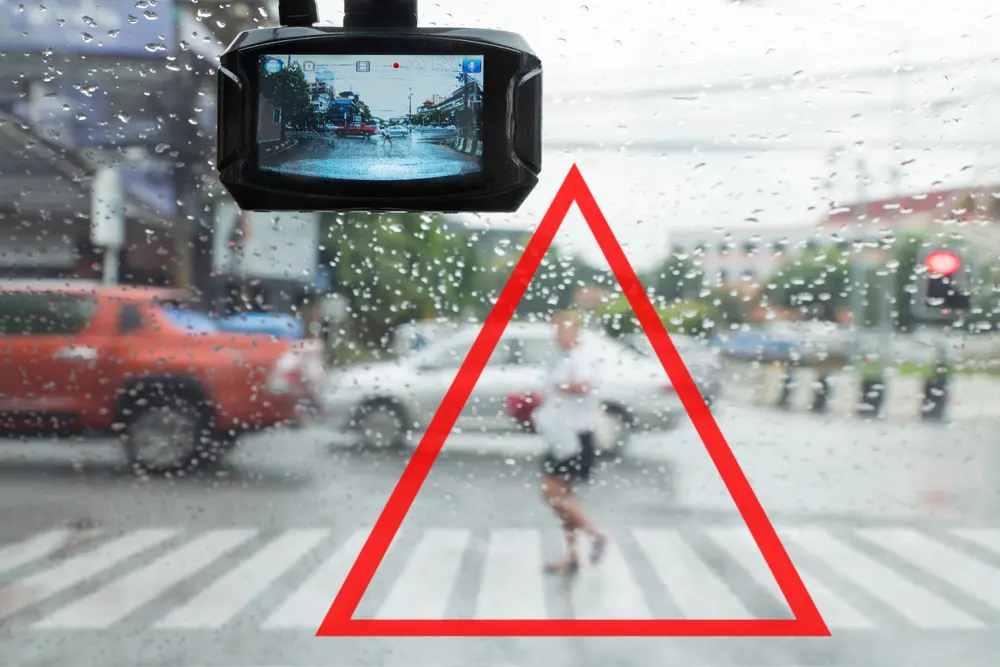
A lawyer proves fault in a pedestrian case by showing the driver broke a duty Texas law places on every motorist, then connecting that failure to the injuries. Texas pedestrian laws require drivers to stop and yield to pedestrians crossing in crosswalks where no traffic signal is in place or operating, when the pedestrian is on the driver’s half of the roadway or approaching so closely from the opposite half as to be in danger. Drivers must also use due care to avoid hitting pedestrians on the roadway, with added caution upon seeing children. Our work focuses on turning those duties into evidence a claims adjuster or jury can rely on.
In the first weeks after we take a case, we typically:
- Send preservation letters for traffic, business, bus, and doorbell camera footage
- Obtain the crash report, 911 records, and any criminal charges filed against the driver
- Photograph and measure the scene, including crosswalk markings and lighting
- Identify every insurance policy, including the driver's, any employer's, and your own
- Gather medical records that connect each injury to the crash
- Track lost income and future care needs as treatment continues
That groundwork allows us to present a complete claim instead of reacting to the insurer's timeline. It also puts the case in position for a lawsuit if the insurer refuses a fair resolution.
What You Get When GoRo Law Takes Your Case
When you hire GoRo Law, you get lawyers who grew up in the neighborhoods where many of these crashes happen. Edgar Gonzalez grew up in Alief, and Ben Rothchild grew up in Katy, so the roads, bus routes, and crossings in these cases are places our partners have known for most of their lives.
- We come to you: In most cases, we can meet with you in person at your home, hotel, or medical facility within a few hours in the Houston area. We can also set up a video call at your convenience.
- Around-the-clock access: Our phones are answered 24/7, so a family member can reach us the night of a crash.
- Eye for evidence: Both Edgar and Ben served as Judge Advocates in the U.S. military and as litigation attorneys in the civil sector, experience that shapes how we gather and test proof.
- Coverage searched from every angle: We look past the driver's policy to employers, rideshare carriers, and your household's own coverage.
GoRo Law is a Veteran-Owned Small Business (VOSB). No lawyer can promise how a case will end, and every claim depends on its own evidence. To speak with a pedestrian accident lawyer about a crash in Houston, Katy, or anywhere in Texas, call (346) 483-2688 for a free consultation.
How Long Do You Have to File a Pedestrian Accident Claim in Texas?
Most Texas pedestrian accident lawsuits must be filed within two years of the crash, and a wrongful death claim generally must be filed within two years of the date of death. Exceptions can extend or shorten the deadline, including rules that pause it for injured children.
When a Government Vehicle or Road Is Involved
Claims involving a city vehicle, a METRO bus, or a dangerous road condition move much faster. The City of Houston generally requires sworn notice of a claim within 90 days of the injury, and claims against other government entities generally require notice within six months, subject to applicable shorter city notice deadlines. Because those windows close long before the two-year lawsuit deadline, early legal help can protect options that are easy to lose.