

Our founding partners bring their experience as military Judge Advocates and senior in-house lawyers to premises liability cases.
Houston Slip and Fall Lawyer
A fall in a store, apartment complex, or parking lot leaves you dealing with pain, medical bills, and questions about who is responsible for the hazard that caused it. GoRo Law's Houston slip and fall lawyers represent people injured by dangerous conditions on someone else's property across Texas, including Houston, Katy, and Alief. We hold property owners and their insurers accountable so you may focus on your recovery.
How Often Falls Cause Serious Injuries
Falls are the leading cause of injury death for adults 65 and older. The Centers for Disease Control and Prevention (CDC) reports that emergency departments recorded about 4.5 million visits for falls among older adults in 2024. Falls caused more than 43,000 deaths in that age group the same year.
Not every fall leads to a legal claim. When a store, landlord, or other property owner ignored a hazard it knew about or should have found, Texas law may hold that owner responsible for the injuries that follow.
When Is a Property Owner Responsible for a Fall in Texas?
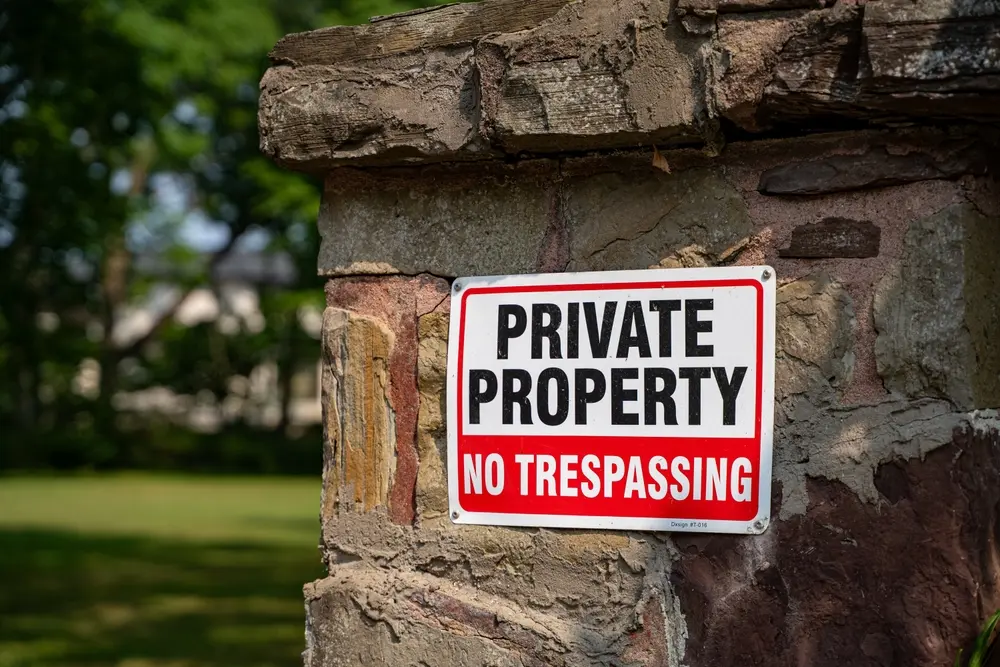
A Texas property owner is generally responsible for a customer's fall when the owner knew about a dangerous condition, or had enough time to discover it, and failed to fix it or warn visitors. This area of law is called premises liability, and it covers slip and fall, trip and fall, and other injuries caused by unsafe property. To succeed, an injured customer or other invitee generally needs to show:
- The owner or occupier knew about the condition or had a reasonable opportunity to discover it
- The condition posed an unreasonable risk of harm
- The owner did not use reasonable care to reduce or eliminate the risk
- That failure caused the visitor's injuries
Each element requires its own proof, and insurers often focus on the first one. A spill nobody noticed for 30 seconds is a very different case from a leak an employee walked past for an hour.
Why Your Reason for Being on the Property Matters
Texas law sets the owner's duty based on why you were on the property. Customers and other business visitors receive the most protection, while social guests and trespassers receive less. The table below shows how Texas courts describe each category.
| Visitor category | Common example | Duty the owner owes |
|---|---|---|
| Invitee | A shopper in a grocery store or a tenant in a common area | Reasonable care to protect against dangers the owner knew of or had a reasonable chance to discover |
| Licensee | A social guest at a friend's home | Warn of or make safe hidden dangers the owner actually knew about, and avoid gross negligence |
| Trespasser | Someone on property without permission | Avoid injuring the person intentionally, willfully, or through gross negligence |
Many slip and fall claims involve invitees, because falls often happen in businesses open to the public or in common areas that landlords maintain for tenants. Your category affects what evidence matters most, so we confirm it at the start of every case.
How Do You Prove the Owner Knew About the Hazard?
You prove knowledge through evidence that the owner created the hazard, saw or was told about it, or left it in place long enough that a reasonable owner had time to find it. The last option, called constructive knowledge, often decides slip and fall cases. In Wal-Mart Stores, Inc. v. Reece, the Texas Supreme Court held that a plaintiff relying on constructive knowledge generally needs evidence of how long the hazard existed.
Evidence That Shows How Long a Hazard Existed
Surveillance video often provides the clearest timeline, showing when a spill happened and who walked past it. Inspection logs, cleaning records, and employee testimony fill in gaps. Footprints, cart tracks, or dirt in a spill may also suggest that it sat on the floor for a while.
When the Owner Created the Danger
Knowledge may be easier to prove when the owner caused the problem, but creation alone does not automatically establish knowledge of the danger. A freshly mopped floor without a warning sign, a display placed in an aisle, or a broken handrail the manager already reported are common examples.
Common Hazards Behind Houston Premises Liability Claims
Houston premises liability claims often grow out of everyday hazards that a property owner had the chance to address. Rainstorms that track water into entryways, busy retail aisles, and aging apartment complexes all create risks. Common examples include:
- Wet floors from spills, leaks, or rain tracked inside without mats or warning signs
- Torn carpet, loose rugs, and buckled floor mats
- Broken stairs, missing handrails, and poorly lit stairwells
- Uneven sidewalks, potholes, and curbs in parking lots
- Cluttered aisles and merchandise left on the floor
The type of hazard shapes the investigation. A rain-related fall, for example, often turns on whether the business set out mats and signs once the weather changed.

Who Else May Share Responsibility for a Fall?
The property owner is not always the only party responsible for a fall. Texas premises claims often reach whoever controls the area where you fell, and that may be a tenant business, a property management company, or a contractor hired to clean or maintain the space.
Shopping Centers and Leased Spaces
In a strip center or office building, the landlord may control the parking lot and walkways while each tenant controls its own store. Leases and maintenance contracts often show who was supposed to inspect and repair a specific area, so we request them early. Naming the right parties matters because each one may carry its own insurance policy.
How GoRo Law Builds Slip and Fall Cases
GoRo Law treats every premises case like an investigation, because the evidence that proves an owner's knowledge sits in the owner's hands. Our founding partners served as military Judge Advocates and later held senior in-house legal roles, so they understand the importance of diligent investigations and how businesses and their insurers decide which claims to pay.
- Investigation-first approach: We treat each fall like an incident investigation. We document the hazard, lighting, flooring, and warning signs while conditions still match the day you fell.
- Proof of what the owner knew: We build each case around the owner's knowledge of the danger. We use inspection logs, cleaning records, maintenance requests, and prior complaints to show how long the hazard was there.
- Fast evidence requests: We send preservation letters for video, incident reports, communications, and maintenance records early.
- Local presence: Our office on Westheimer near Highway 6 in west Houston is close to Alief, Katy, and the Energy Corridor and a quick drive to the Greater Houston area and surrounding counties.
We answer calls 24/7 and offer free initial consultations. Call (346) 483-2688 or start an online intake to book a free consultation about your fall.
Meet the Attorneys Behind Your Case
- Edgar Gonzalez, Partner, grew up in Alief. He is a veteran U.S. Coast Guard Judge Advocate, a trial attorney who led trial teams in complex litigation, and currently serves as General Counsel & Chief Compliance Officer.
- Ben Rothchild, Partner, grew up in Katy. He is a veteran U.S. Marine Corps Judge Advocate and trial attorney who served 8 years on active duty, attained the rank of Major, served as a prosecutor and U.S. Naval Academy professor, and later served as a Deputy General Counsel.
- Nadia Sadeghian Gonzalez, Of Counsel, is licensed in Texas and the District of Columbia and works on injury and accident cases, as well as wills, trusts, and estates. She previously served as director of operations for an international non-profit organization.
Injuries and Compensation in Slip and Fall Cases
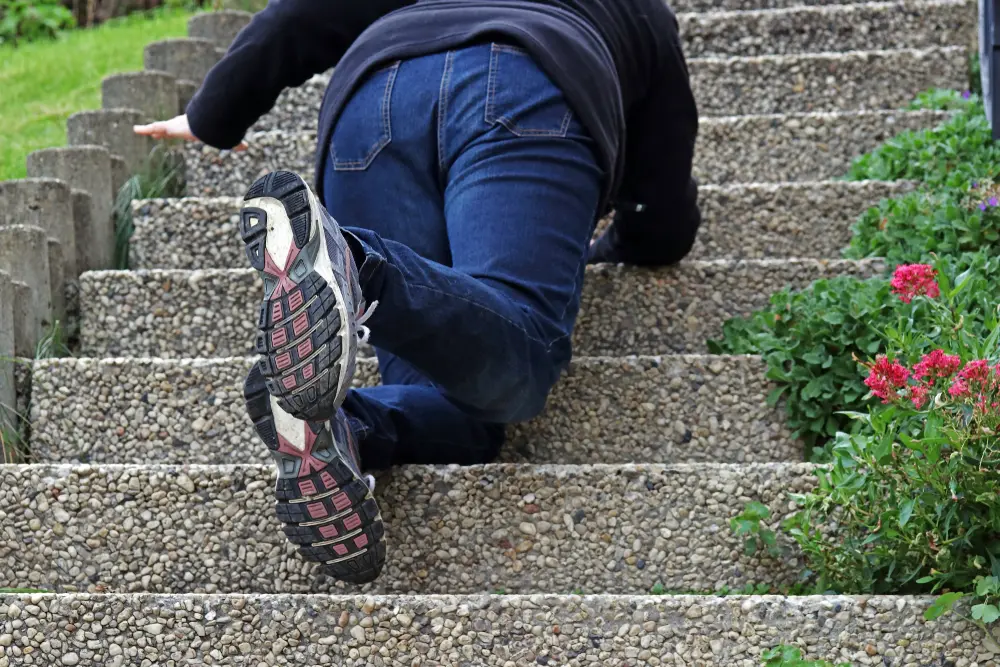
Falls cause more serious injuries than many people expect, especially when someone lands on a hard tile or concrete surface. Compensation in a Texas premises liability claim may cover medical care, lost income, future treatment, pain, mental anguish, and physical impairment, depending on the facts.
Fractures and Head Injuries
Broken wrists, hips, ankles, and shoulders often result from trying to catch a fall. A blow to the head may cause a concussion or traumatic brain injury that shows symptoms only days later. Prompt imaging and follow-up care create the medical record these claims depend on.
Falls Involving Older Adults
Older adults often face longer recoveries, surgery, and time in rehabilitation after a fall. When a fall takes away someone's independence, the claim reflects the cost of in-home help and the change in daily life, not only the hospital bills.
Steps to Take After a Slip and Fall in Houston
What you do in the hours and days after a fall often determines how much evidence survives. If your injuries allow it, take these steps:
- Report the fall to a manager or property owner and ask for a copy of any incident report
- Photograph the hazard, the surrounding area, and any missing warning signs
- Collect names and phone numbers from witnesses
- Keep the shoes and clothing you wore, unwashed and unrepaired
- Get medical care promptly, even if you feel well enough to go home
Avoid guessing about the cause of your fall in conversations with the property's insurer. Once you hire us, we handle those calls and request the records controlled by the business.
What if You Were Partly at Fault for a Fall?
You may still recover compensation as long as your share of fault is 50% or less. Texas uses proportionate responsibility, so a court reduces your damages by your percentage of fault and bars recovery when that percentage exceeds 50%.
How Insurers Argue Shared Fault
Property insurers often claim that a visitor was looking at a phone, wearing unsafe shoes, or ignoring an obvious hazard. An open and obvious hazard, or one the visitor knows about, may also eliminate the owner's duty to warn or make safe, subject to exceptions. A visitor found 25% at fault for a fall with $80,000 in damages, for example, may recover $60,000. Evidence such as video and lighting conditions often answers these arguments.
Falls on Government Property in Houston
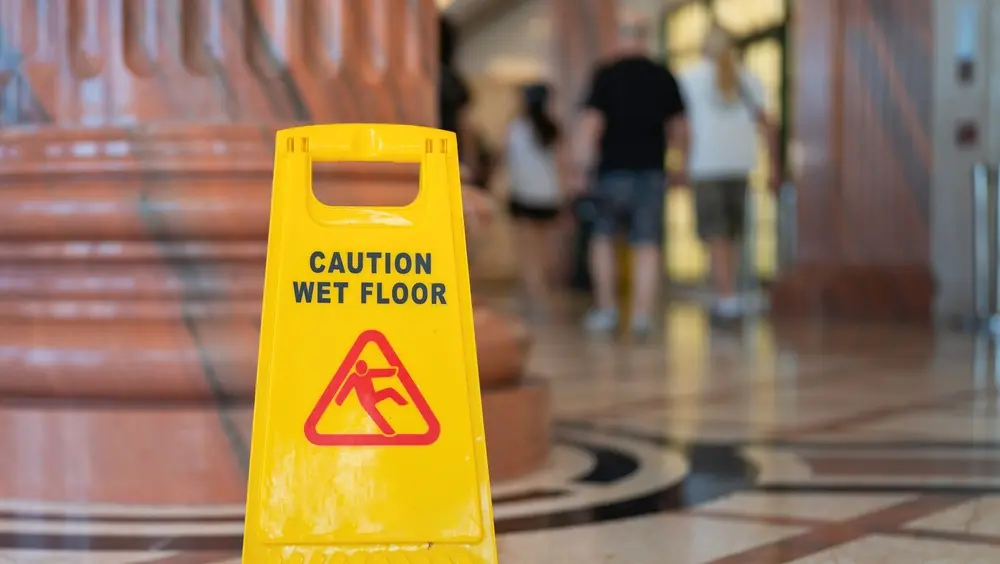
Falls on property owned by a city, county, or state agency follow stricter rules. Under the Texas Tort Claims Act, a government entity owes only the duty a private owner owes a licensee for most premises defects, which usually requires proof that the entity actually knew about the danger. Government entities also have immunity from many claims, and the Act waives that immunity only in specific situations.
Notice Deadlines for City Claims
Government entities are entitled to written notice within six months of the incident, and cities may set shorter deadlines. The City of Houston requires sworn notice within 90 days of the injury, which leaves very little time to act after a fall at a city facility or on a city sidewalk.
How Long Do You Have to File a Slip and Fall Lawsuit in Texas?
Most Texas slip and fall lawsuits must be filed within two years of the fall. Exceptions may change that deadline, including rules for injured children. Separate, shorter notice periods apply to claims involving government property. Talking with a lawyer early keeps every option open.
Video Often Disappears First
Many businesses record over surveillance footage within days or weeks. A preservation letter sent soon after the fall puts the owner on notice that the footage matters, which is one reason we act quickly even when the lawsuit deadline is far away.
FAQs: Houston Slip and Fall Cases
It depends on whether your employer carries workers' compensation insurance. Texas lets most private employers opt out of the system, and an employee of a nonsubscribing employer may sue for negligence. In those lawsuits, the employer may not use defenses such as the employee's own negligence, though the employee still must prove the employer was negligent. If your employer does carry workers' compensation, those benefits are generally your exclusive remedy against the employer, though a claim against another responsible party, such as a property owner or contractor, may still be possible.
A social guest injured at a private home in Texas may have a claim, usually against the homeowner, whose insurance policy may provide coverage. Texas courts generally treat social guests as licensees, so the guest must show the owner actually knew about a hidden danger and failed to warn about it or make it safe.
A Texas court may impose a remedy when a business fails to preserve evidence it knew, or had reason to know, was relevant to a likely claim. In Brookshire Brothers v. Aldridge, the Texas Supreme Court limited a severe remedy, a jury instruction about the lost evidence, to destruction intended to conceal discoverable evidence when lesser remedies are insufficient, or to negligent loss that leaves the injured person without any meaningful way to prove the claim. Courts may use lesser remedies in other cases, which is one reason we send preservation letters early.
The landlord or management company may be responsible for falls in areas it controls in Houston, such as stairways, walkways, parking lots, and pools. Hazards inside your own unit often involve different rules, including repair requests you made under your lease.
Texas slip and fall claims may resolve through settlement with the property owner's insurer rather than at trial. Filing a lawsuit is sometimes necessary to protect the two-year deadline or to obtain records the business refuses to share, and the case may still settle afterward.
Hurt on Someone Else's Property? Call GoRo Law
A fall caused by an owner's carelessness is not a cost you have to carry alone. As slip and fall and premises liability attorneys, GoRo Law represents injured people across Texas, from Alief and Katy to the Energy Corridor and beyond. Call (346) 483-2688 or start an online intake 24/7 to book a free consultation and find out what your claim involves and what comes next.