How Often Consumer Products Send People to the ER
Injuries involving everyday products are far more common than most people realize. The U.S. Consumer Product Safety Commission (CPSC) estimates that hospital emergency departments treated about 15 million injuries related to consumer products in 2024.
Not every one of those injuries involved a defect. When one does, though, the injured person often faces a company that has already started defending the product. Our job is to build the evidence that answers that defense.
What Makes a Product Defective Under Texas Law?

A product is defective under Texas law when a flaw in its design, its manufacturing, or its warnings makes it unreasonably dangerous and that flaw causes an injury. Each type of defect requires different proof, and identifying the right theory early shapes the entire case:
- Design defects affect every unit of a product because the design itself is unsafe. Texas requires proof of a safer alternative design that would have prevented or significantly reduced the risk without substantially impairing the product's usefulness, and that was economically and technologically feasible when the product left the manufacturer's or seller's control.
- Manufacturing defects occur when a particular unit departs from its intended design, such as a cracked weld or a contaminated component.
- Marketing defects involve missing or inadequate warnings or instructions about a risk the company knew or should have known about.
Proving any of these usually requires engineers, testing, and a close look at the company's own records. That is not something an injured person can do while recovering, and it is exactly where a lawyer's investigation earns its value.
Dangerous Products Behind Many Injury Claims
Product liability claims cover a wide range of goods, from parts inside a car to items sold on store shelves. Claims commonly involve:
- Vehicle components such as airbags, seat belts, tires, and brakes
- Lithium-ion batteries in e-bikes, scooters, phones, and power tools
- Power tools, ladders, and industrial machinery
- Household appliances, space heaters, and furniture that tips over
- Children's products, including car seats, cribs, and toys
- Recalled products that remained in use after the recall
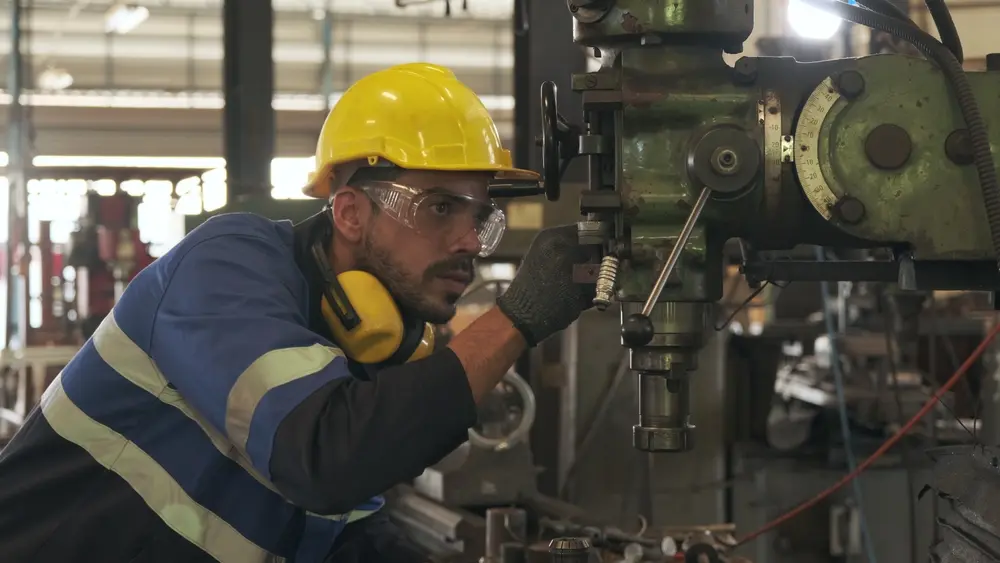
Each category raises its own engineering questions, so we match the investigation to the product rather than relying on a one-size-fits-all approach.
Products Made Overseas
Many products sold in Houston are manufactured overseas and shipped through Gulf Coast ports before reaching local stores and online sellers. When a foreign manufacturer is not subject to the Texas court's jurisdiction, the case may shift toward the companies that imported, distributed, or sold the product. Online marketplaces add another layer, because the seller named on a website may not be the company that made or imported the item. Sorting out who can be sued, and where, is a key part of our early investigation.
Who Can Be Held Responsible for a Defective Product?
Several companies in a product's chain of distribution may share responsibility for an injury, and the strongest claim usually names each one whose role contributed to the harm. Texas protects retailers and other sellers that didn't make the product, but those protections have important exceptions.
| Company in the chain | When it may be responsible |
|---|
| Manufacturer | Designed or built the defective product, or failed to warn about its dangers |
| Component maker | Supplied a defective part, such as a battery cell or valve, that caused the failure |
| Retailer or distributor | Helped design the product; altered it and thereby caused the harm; substantially controlled an inadequate warning that caused the harm; made an incorrect express factual representation that the claimant relied on in obtaining or using the product and that, if true, would have prevented or reduced the harm; actually knew of the defect when supplying the product and the defect caused the harm; or sold a product whose manufacturer is insolvent or not subject to the court's jurisdiction |
| Installer | Installed the product on something else, and the installation caused the harm |
Identifying every responsible company also matters for insurance. Manufacturers, distributors, and retailers often carry separate policies, and a claim that names only one of them may leave money on the table.
Why Product Cases Need a Lawyer Early
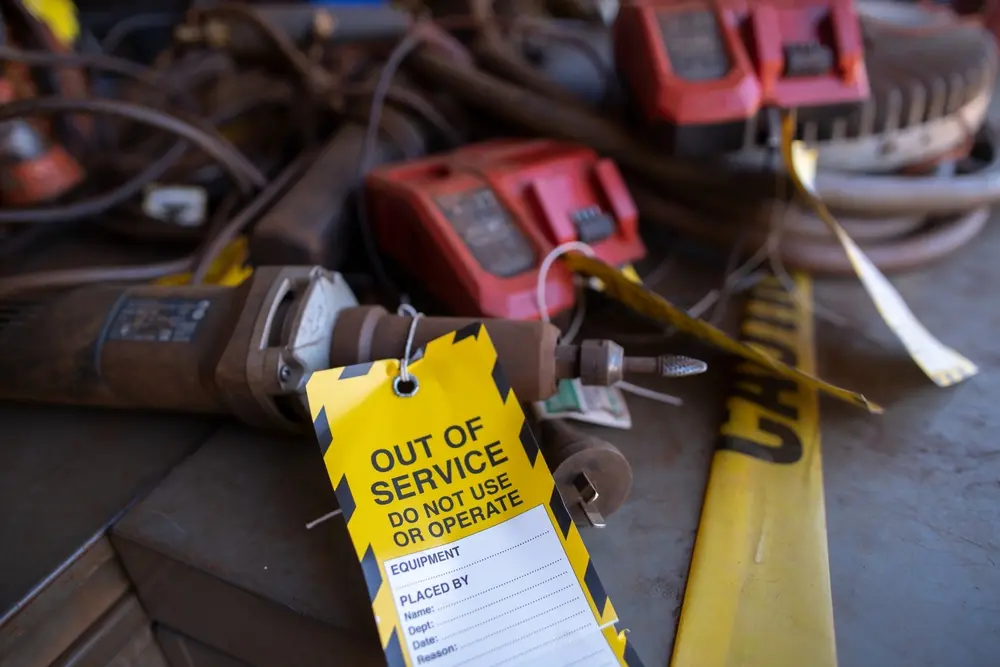
Product liability cases often turn on physical evidence, and that evidence is fragile. A product that gets thrown away, returned to the store, or repaired may take the proof of the defect with it. Companies also move quickly to gather the product and frame what went wrong.
What We Do When You Hire Us
From the start, our firm focuses on preserving and proving the defect:
- Secure the product, its packaging, manuals, and receipts, and document the chain of custody
- Send preservation letters to the manufacturer and sellers for design files and complaint records
- Search CPSC and vehicle safety recalls for related defects and warnings
- Retain qualified engineers to inspect and test the product without destroying evidence
- Gather medical records and calculate the full cost of your injuries, including future care
- Prepare the case for trial, because a trial-ready file tends to strengthen the position in settlement talks
You can help by keeping the product exactly as it is and avoiding any home repairs or testing. If a company representative asks for the product, call us before handing anything over.
Emerging Claims Involving Social Media and AI Chatbots
Product liability law is also being tested in newer areas. Families across the country have filed lawsuits alleging that certain social media platforms and artificial intelligence (AI) chatbots were designed in ways that harmed users. Courts are still deciding how traditional product rules apply to these technologies.
Talking Through a Developing Claim
These cases are evolving quickly, and each one depends on the platform, the harm, and the evidence. If your family has questions about whether an online platform or chatbot contributed to an injury, we can listen, explain what courts have said so far, and help you understand your options.
How Manufacturers Fight Product Injury Claims
Manufacturers rarely admit that a product was defective. Instead, their lawyers and insurers often argue that the injured person misused the product, that someone modified it, or that a different cause explains the injury. Knowing those defenses in advance lets us build the evidence to meet them.
Common Defense Arguments
Expect a manufacturer to point to warning labels, user manuals, and maintenance history, and to question whether the product you used is the same one it designed. Some companies also argue that the product met industry or government safety standards. In Texas, complying with certain mandatory federal safety standards can create a presumption in the manufacturer's favor, but that presumption can be rebutted, and meeting voluntary industry standards doesn't settle the question. We answer with engineering analysis, testing records, and the company's own documents about what it knew.
Where These Cases Are Litigated
A product case against an out-of-state manufacturer may start in a Harris County district court and later move to federal court in Houston, depending on the parties' citizenship, the amount at stake, and the applicable removal requirements. The court, its procedures, and its timeline all affect strategy. We plan for that possibility from the start so a move to a different court is less likely to slow the case down.
Trial Preparation Built for Corporate Defendants
Product manufacturers defend these cases aggressively, so GoRo Law prepares every product claim with a courtroom in mind. Our partners are trial lawyers who served as military Judge Advocates, and that experience shapes how we organize evidence, prepare witnesses, and present technical issues to a jury.
- Complex litigation leadership: Partner Edgar Gonzalez is an experienced trial attorney who has led trial teams in complex litigation.
- Litigation teams that evaluate early: Ben Rothchild has led litigation teams and brings the knowledge to evaluate what a case needs from the first conversation.
- Investigation discipline: We treat the defective product as evidence from day one and build the record engineers and juries need.
- Direct communication: You hear from us about developments in your case, and our phones are answered 24/7.
GoRo Law is a Veteran-Owned Small Business (VOSB) guided by The GoRo Standard of Integrity, Preparation, and Results. Every case depends on its facts, and no lawyer can promise a result. To have a defective product lawyer review your injury, call (346) 483-2688 for a free consultation.
What Compensation Can a Product Injury Claim Include?
Like other personal injury cases, a product liability claim in Texas may include past and future medical care, lost wages and earning capacity, physical pain, mental anguish, physical impairment, and disfigurement. Families who lose a loved one may pursue wrongful death damages, such as lost financial support and companionship.
Injuries That Change Daily Life
Defective products can cause burns, crush injuries, amputations, head injuries, and spinal injuries. These injuries can require long-term care, home modifications, and changes in work. We document how the injury affects every part of your life so the claim reflects more than the first hospital bill.
How Long Do You Have to File a Product Liability Claim in Texas?
Most Texas product liability lawsuits for personal injury must be filed within two years of the injury, and wrongful death claims generally within two years of the death. Exceptions can change those deadlines, so waiting to get advice carries real risk.
The 15-Year Cutoff for Older Products
Texas also has a separate 15-year deadline that generally bars product claims filed more than 15 years after the defendant sold the product. Exceptions apply when the manufacturer or seller expressly warranted a useful safe life longer than 15 years in writing, and for certain exposure-related diseases whose symptoms did not provide reasonable notice of injury within the 15-year period. Because the clock may run from the sale rather than the injury, older products call for prompt review.